Specialised WHS — Manual Handling and Workplace Safety

👉 Trigger: “I need to reduce physical injury risks”

Strengthen Workplace Safety Practices That Reduce Physical Injury

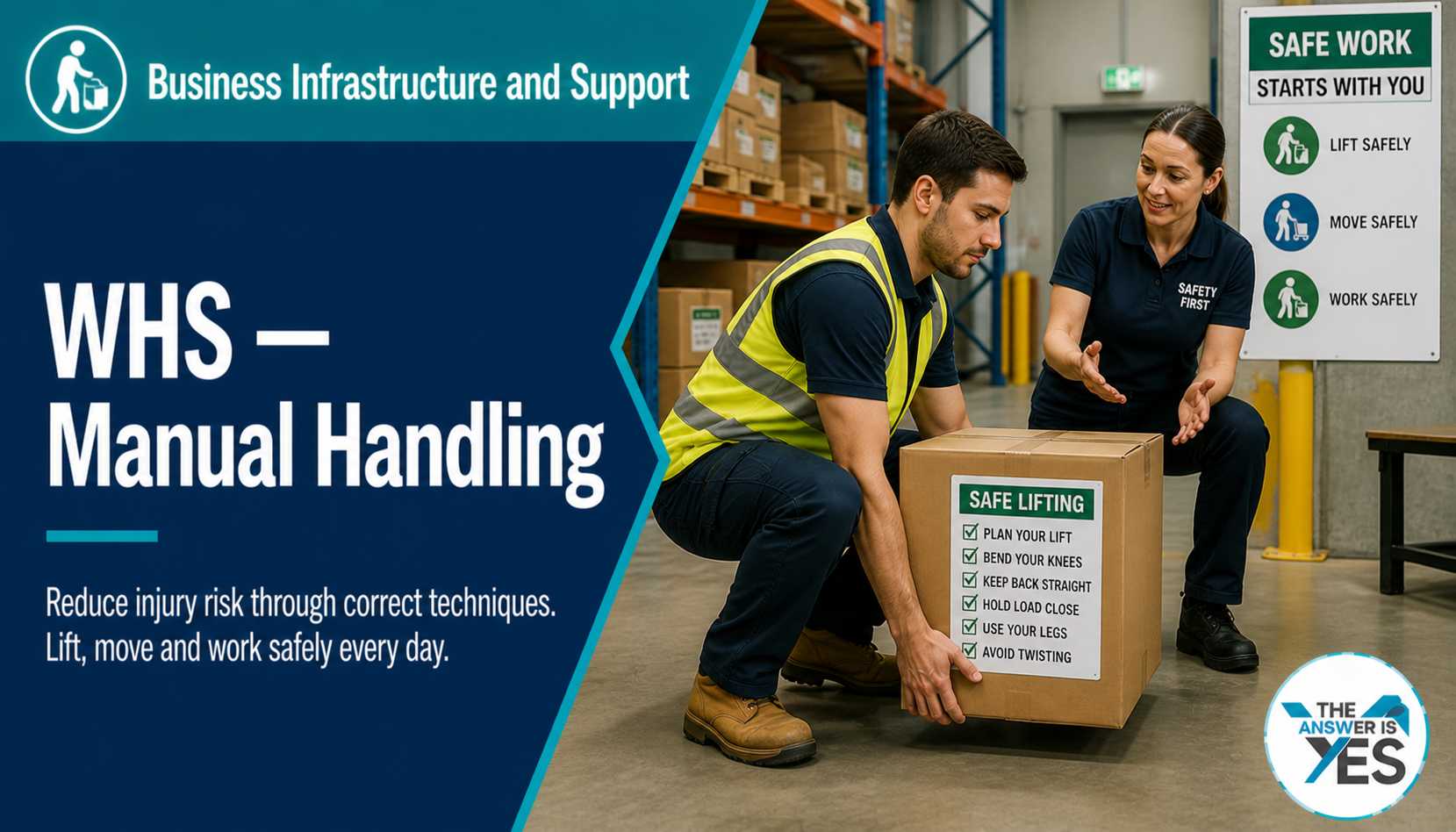
Physical workplace injuries remain one of the most common causes of workplace disruption, lost productivity, workers compensation claims, and long-term employee health issues. Poor manual handling practices, unsafe workplace behaviours, and weak safety awareness can significantly increase operational risk across many work environments. Many workplace injuries develop gradually through repetitive strain, unsafe movement patterns, poor lifting techniques, or inconsistent workplace safety practices.

This specialised WHS trigger is designed to help you strengthen workplace safety awareness and reduce physical injury risks across your business operations. You will improve your understanding of manual handling risks, workplace safety practices, injury prevention strategies, and operational safety awareness. Instead of reacting to workplace injuries after they occur, you will begin strengthening preventative systems and safer workplace behaviours.

How This Specialised WHS Trigger Works

This specialised WHS trigger focuses on helping businesses reduce physical injury risks and improve workplace safety capability across operational environments. The courses within this trigger are designed to be accessed when workplaces need to strengthen manual handling practices, reduce injury exposure, or improve workforce safety awareness.

You will explore manual handling techniques, workplace safety practices, injury prevention systems, and operational safety awareness strategies that support safer workplace environments and improved workforce wellbeing. Each step is designed to help reduce avoidable workplace injuries and strengthen operational safety practices.

Start Here

Manual Handling Training to Prevent Office Injuries

Choose Relevant Courses
  1. Manual Handling Training to Prevent Office Injuries
  2. Manual Handling Training to Prevent Warehouse Injuries
  3. Hospitality Manual Handling Training
  4. Manual Handling Training for Restaurant Workers
  5. Manual Handling Training—Construction Industry
  6. Manual Handling Training for Pool Environment
What You Will Achieve

By completing this specialised WHS trigger, you will strengthen your ability to reduce physical injury risks and improve workplace safety practices across your business. You will improve manual handling awareness, strengthen injury prevention capability, and create safer operational environments for workers and teams. This supports reduced workplace injuries, stronger workforce wellbeing, and improved operational safety outcomes.

Move Forward When

You are ready to move forward when workplace safety practices are becoming more consistent, manual handling risks are being managed more proactively, and employees are demonstrating stronger workplace safety awareness.

Before You Move On

Take the time to strengthen workplace safety practices before physical injury risks create operational disruption or workforce harm. Poor manual handling practices and weak safety awareness can quickly increase injury exposure, absenteeism, and workplace risk.  By strengthening workplace safety capability now, you create safer operational environments, improve workforce wellbeing, and support stronger long-term WHS outcomes.

Next Step

Once your manual handling and workplace safety systems are becoming more structured, continue strengthening the specialised WHS triggers that align with your operational environment and workforce risks.

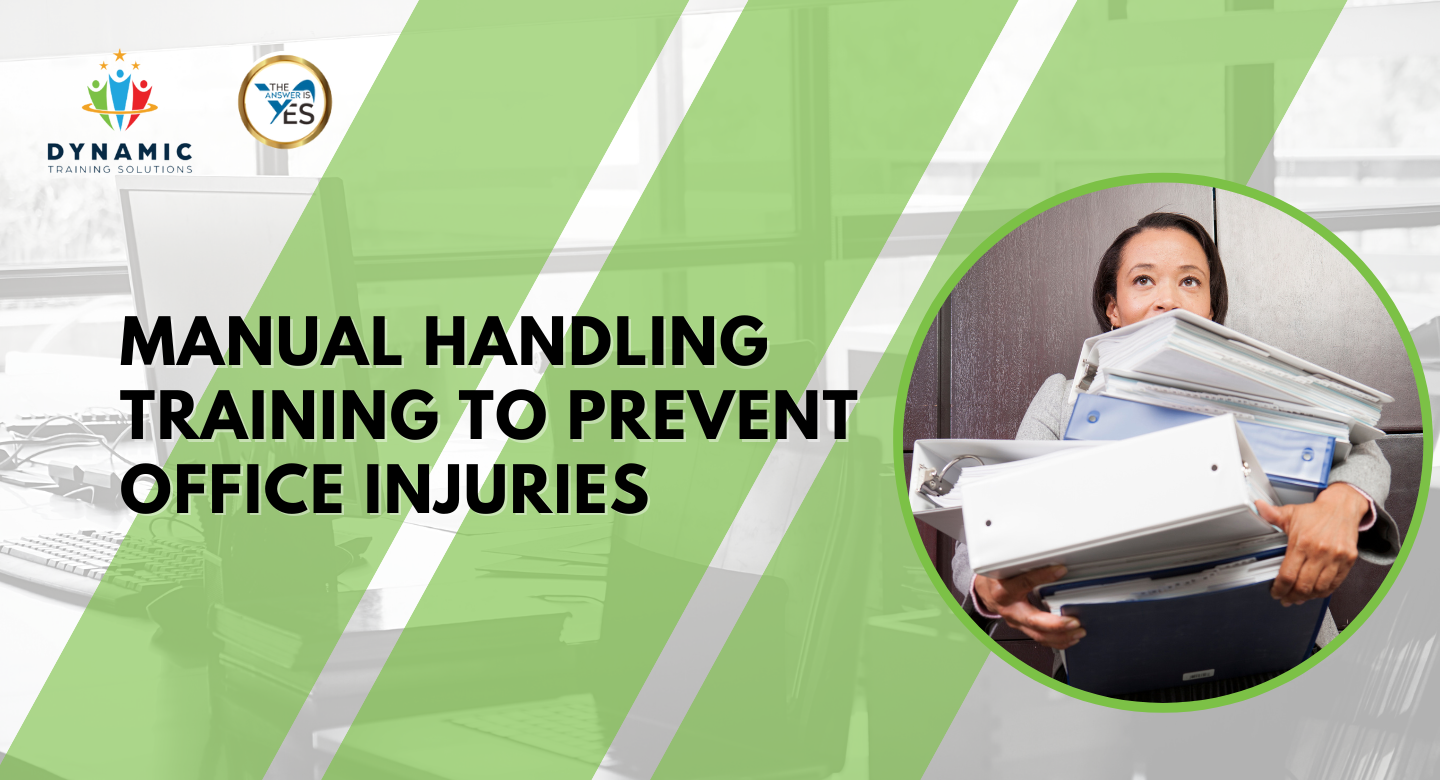
As many workers spend their days confined to office work, it’s easy to assume that the risks of workplace injuries are minimal. However, injuries caused by these jobs, such as back pain and muscle strains, can be just as severe as those caused by heavy manual labor. That is why it is essential to prioritize the proper handling of items within the office environment as well. Manual handling training can help workers prevent injuries and ensure that they can perform their work safely. 
MORE INFORMATION

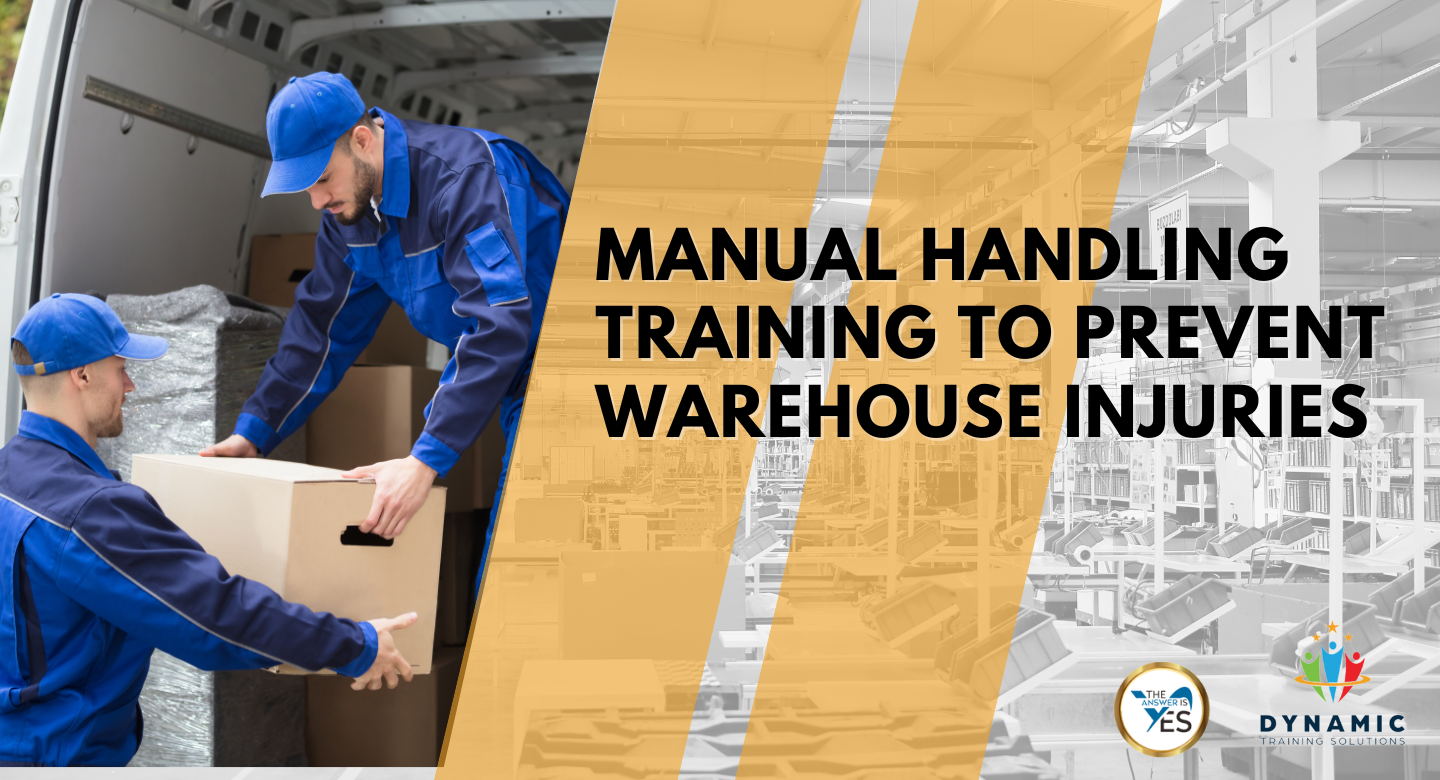
Working in a warehouse can be physically demanding, with employees required to lift and move heavy objects regularly. Without the proper knowledge and techniques, this task can lead to accidents and injuries. According to the Occupational Safety and Health Administration (OSHA), overexertion and bodily reactions are among the common causes of workplace injuries. The good news is that the risk of these injuries can be mitigated with proper training.
MORE INFORMATION

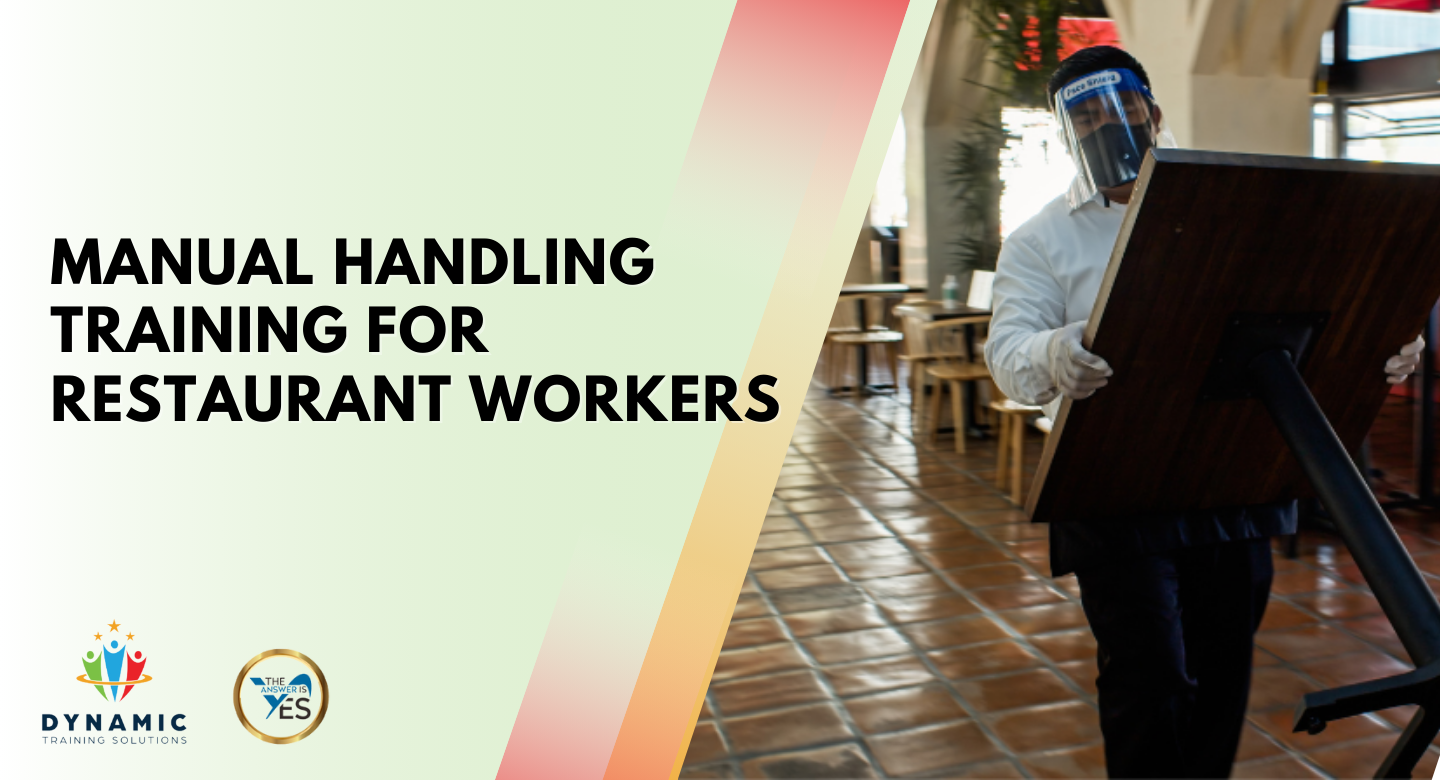
The physical demands of restaurant work are unavoidable, but the risks associated with manual handling can be significantly reduced through proper training and safety measures. By investing in manual handling training, ergonomic tools, and a culture of safety, restaurant owners can protect their employees from injury, improve their well-being, and boost productivity.
 

The physical demands of restaurant work are unavoidable, but the risks associated with manual handling can be significantly reduced through proper training and safety measures. By investing in manual handling training, ergonomic tools, and a culture of safety, restaurant owners can protect their employees from injury, improve their well-being, and boost productivity.


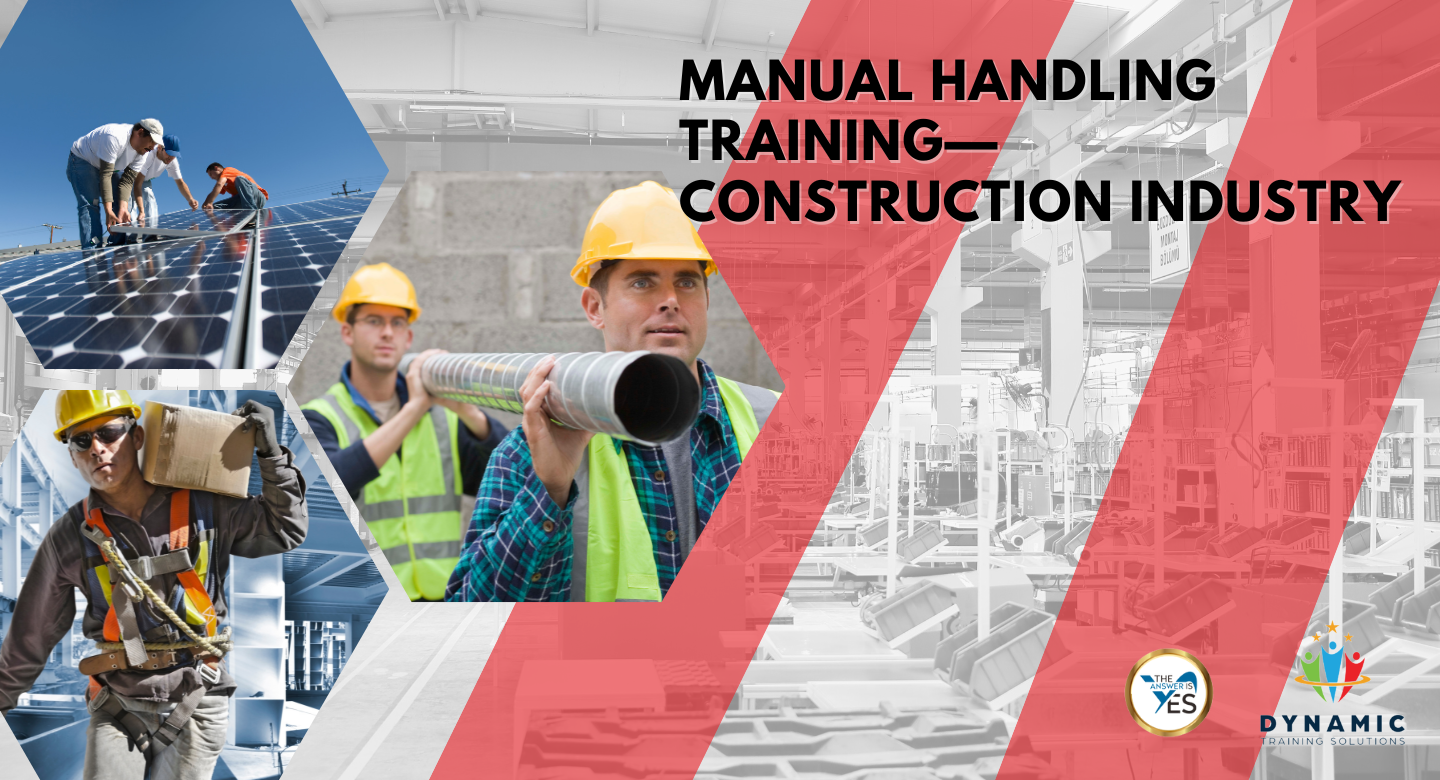
The construction industry is one of the most physically demanding and dangerous fields to work in. Workers face a myriad of hazards on a daily basis. One of the most prevalent dangers in any construction site is manual handling or the act of lifting, carrying, pushing, or pulling heavy objects. Improper manual handling techniques can result in a range of health issues, including sprains and strains, musculoskeletal disorders, and even life-threatening injuries. This is why manual handling training is crucial in the construction industry.
MORE INFORMATION

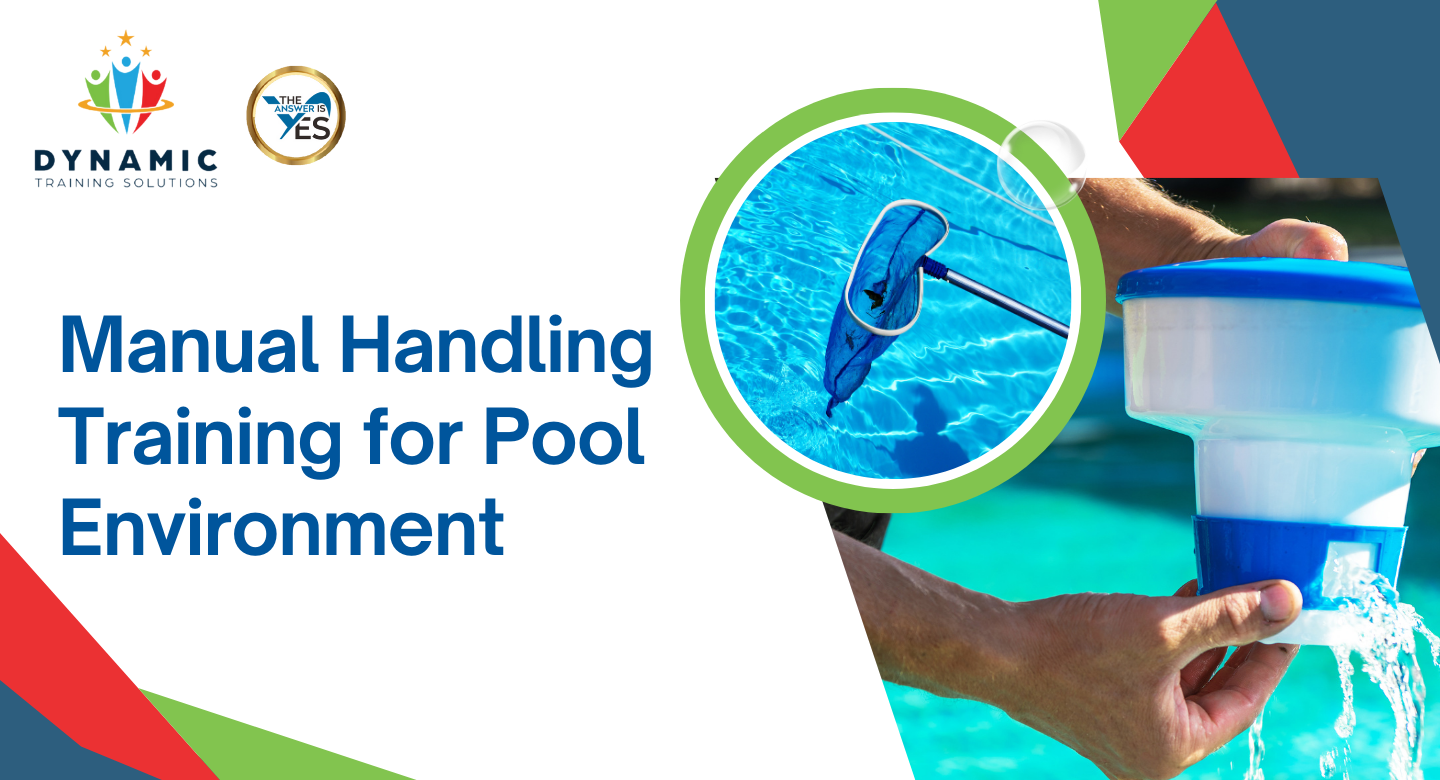
Working in around pools can be physically demanding, with employees required to lift and move heavy objects regularly. Without the proper knowledge and techniques, this task can lead to accidents and injuries. According to the Occupational Safety and Health Administration (OSHA), overexertion and bodily reactions are among the common causes of workplace injuries. The good news is that the risk of these injuries can be mitigated with proper training.